Who Invented the Peacoat?
The Breton peacoat is one of the most iconic garments in maritime clothing. This heavyweight wool coat, recognised by its double-breasted fastening and wide collar, has accompanied sailors for generations.
But who invented the peacoat? Where does its name come from? Why does it have two rows of buttons?
From the Mediterranean to the coast of Brittany, discover the fascinating history of this timeless naval coat.
What Are the Origins of the Peacoat?When thinking about traditional sailors' clothing, the peacoat is often one of the first garments that comes to mind. Sailors' smocks, striped shirts and waterproof jackets are also part of maritime clothing, but the peacoat remains one of its most recognisable symbols.
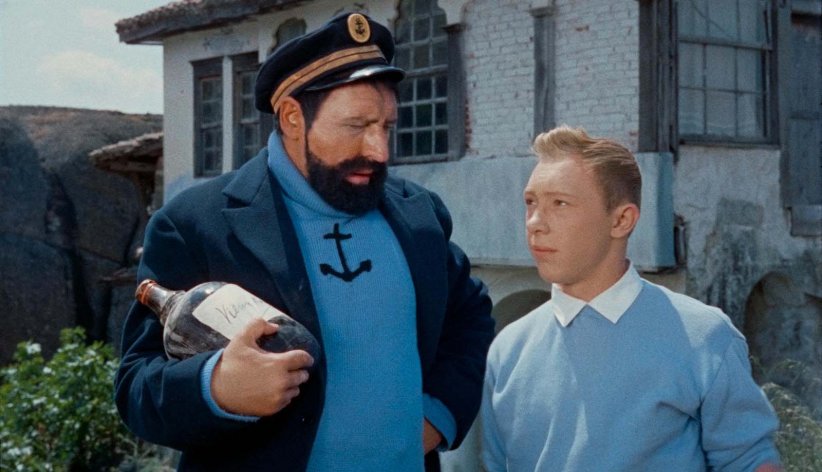
Captain Haddock, a famous fictional character associated with the traditional sailor's coat. Yet the history of the peacoat does not begin exclusively in Brittany. The French word caban has much older roots, connected with cultural and commercial exchanges between the Arab world and Mediterranean countries. Over the centuries, different types of wool outerwear developed across Europe and the Mediterranean. Sailors helped spread and adapt practical clothing designed to provide protection against cold weather. Where Does the French Word "Caban" Come From?The etymology of the French word caban is particularly interesting. According to the French Academy's dictionary, the term appeared in French during the 15th century. It derives from the Sicilian word cabbanu, itself originating from the Arabic qaba, meaning a tunic or outer garment. This linguistic heritage reflects Mediterranean influences on European clothing terminology. However, it does not establish that the modern naval peacoat already existed in its present form at that time. |
How Did the Peacoat Become a Sailor's Coat?Sailors needed practical clothing that could protect them from cold winds and damp conditions during long periods at sea. The heavy wool peacoat proved particularly suitable for these conditions. Its substantial fabric helps retain warmth, while its double-breasted construction provides additional protection across the chest. Different European navies gradually adopted coats with similar characteristics, helping establish the peacoat as an iconic piece of naval clothing. Why Is It Called a "Peacoat"?In English, this traditional naval coat is known as a pea coat, peacoat or pea jacket. The expression is associated with the Dutch word pij, referring to a coarse woollen fabric, and jekker, meaning jacket. The term reefer jacket also refers to a double-breasted maritime-style jacket, although its historical usage is not entirely identical to that of the peacoat. The Breton Peacoat and Le Glazik Since 1928In Brittany, the peacoat became one of the most representative garments of traditional maritime clothing. Founded in Quimper in 1928, Le Glazik specialises in traditional Breton maritime clothing and continues to manufacture its peacoats in France. The Molène and Bréhat models retain the essential characteristics of authentic naval coats: wool fabric, double-breasted fastening, protective collars and functional details. Explore our selection of men's Breton peacoats and women's Breton peacoats.
|
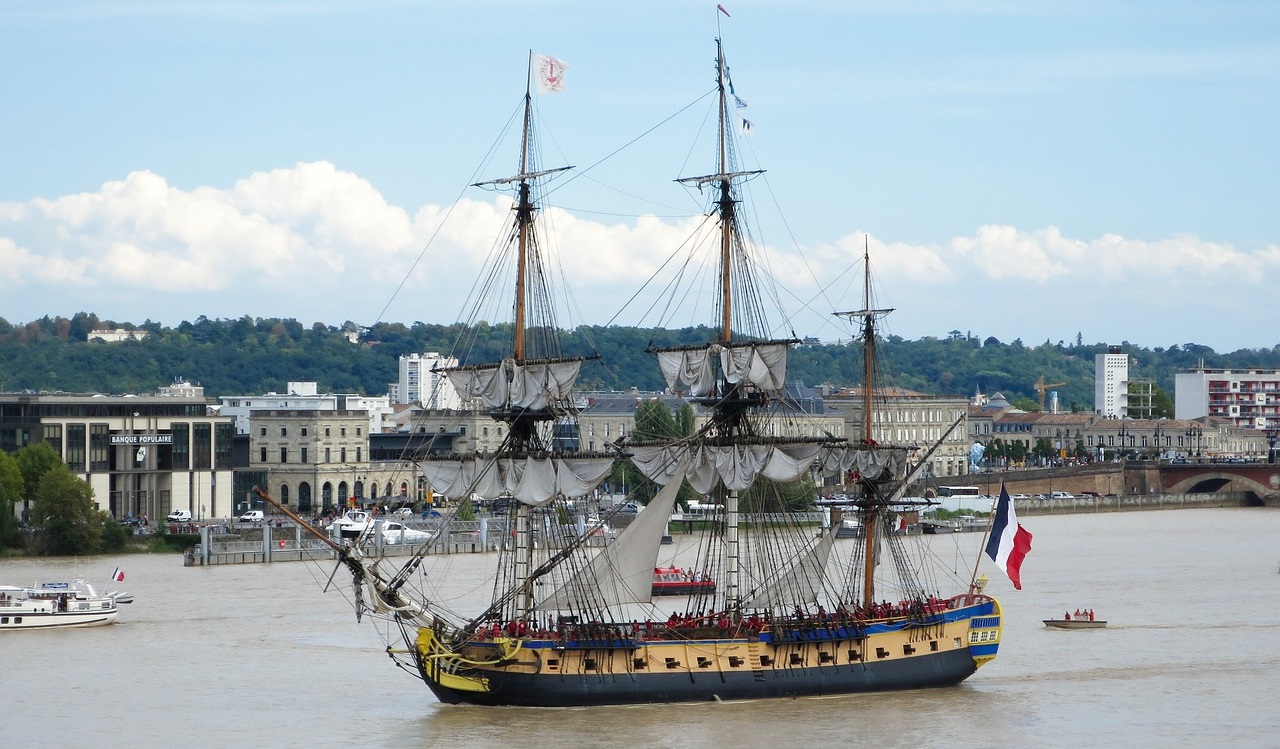
The Breton peacoat: a maritime garment with a history extending far beyond the shores of Brittany.
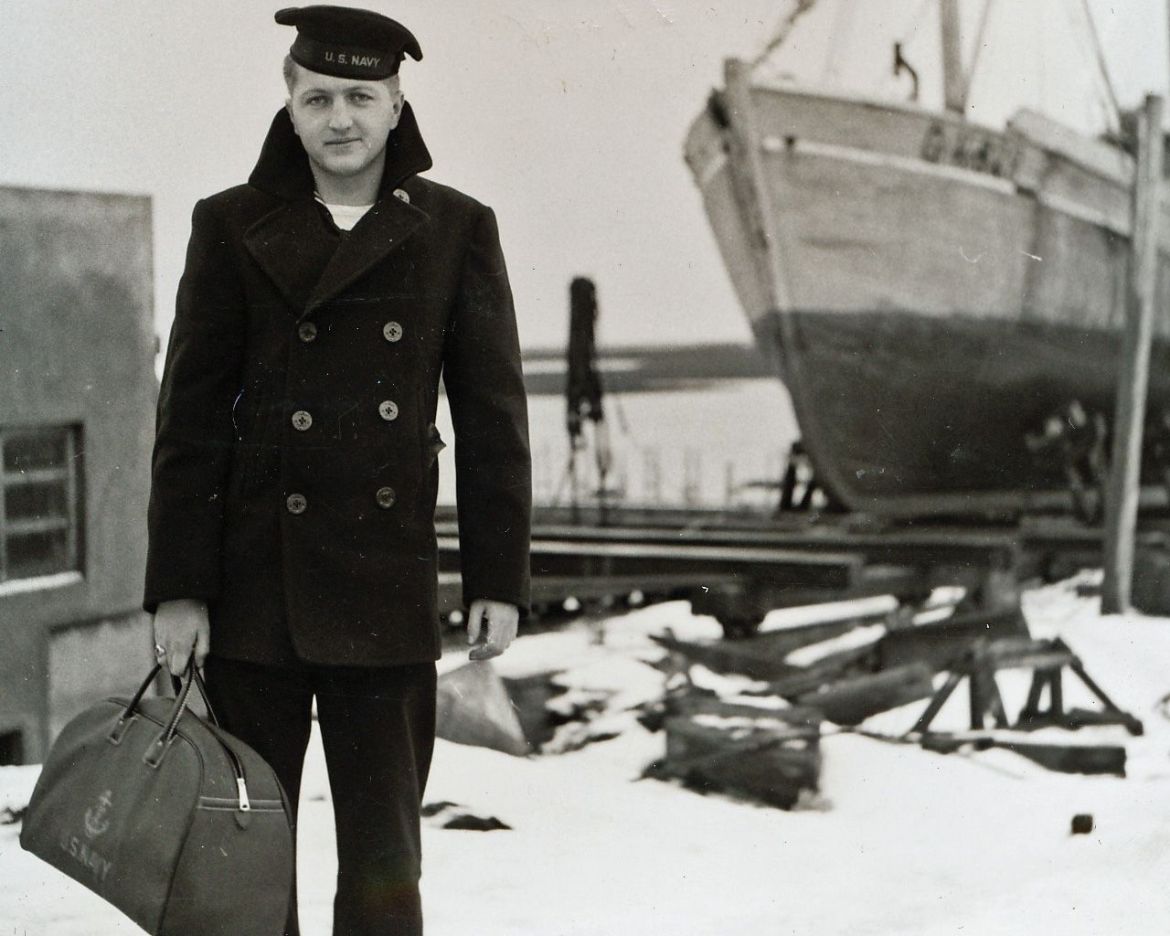
What Is the Difference Between a Peacoat and a Kabig?The peacoat and the kabig are both part of Brittany's traditional clothing heritage, but their designs are different. A peacoat is traditionally a short wool coat featuring a wide collar and double-breasted fastening. The kabig, historically associated with Breton coastal workers and fishermen, is distinguished by its hood and characteristic wooden toggle fastenings. Although both garments were designed to provide protection against cold weather, they have distinct shapes and clothing traditions. The Peacoat in the French NavyThe peacoat holds an important place in the history of French naval clothing. Traditionally made from thick wool fabric, often navy blue, it was worn over other uniform garments to provide protection against cold weather. Its protective collar, double-breasted front and anchor-decorated buttons became some of its most recognisable features. Many of these characteristics remain present in contemporary civilian peacoats inspired by traditional naval uniforms.
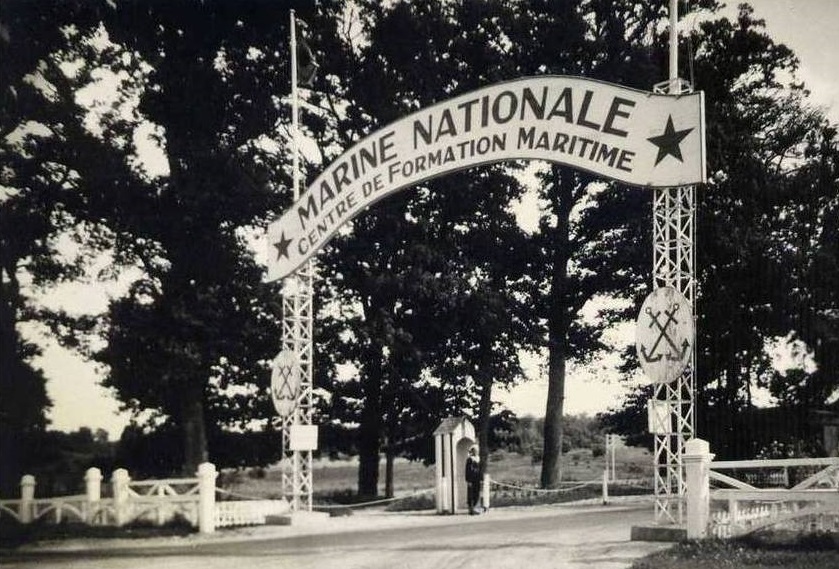
The heritage of traditional clothing in the French Navy. |
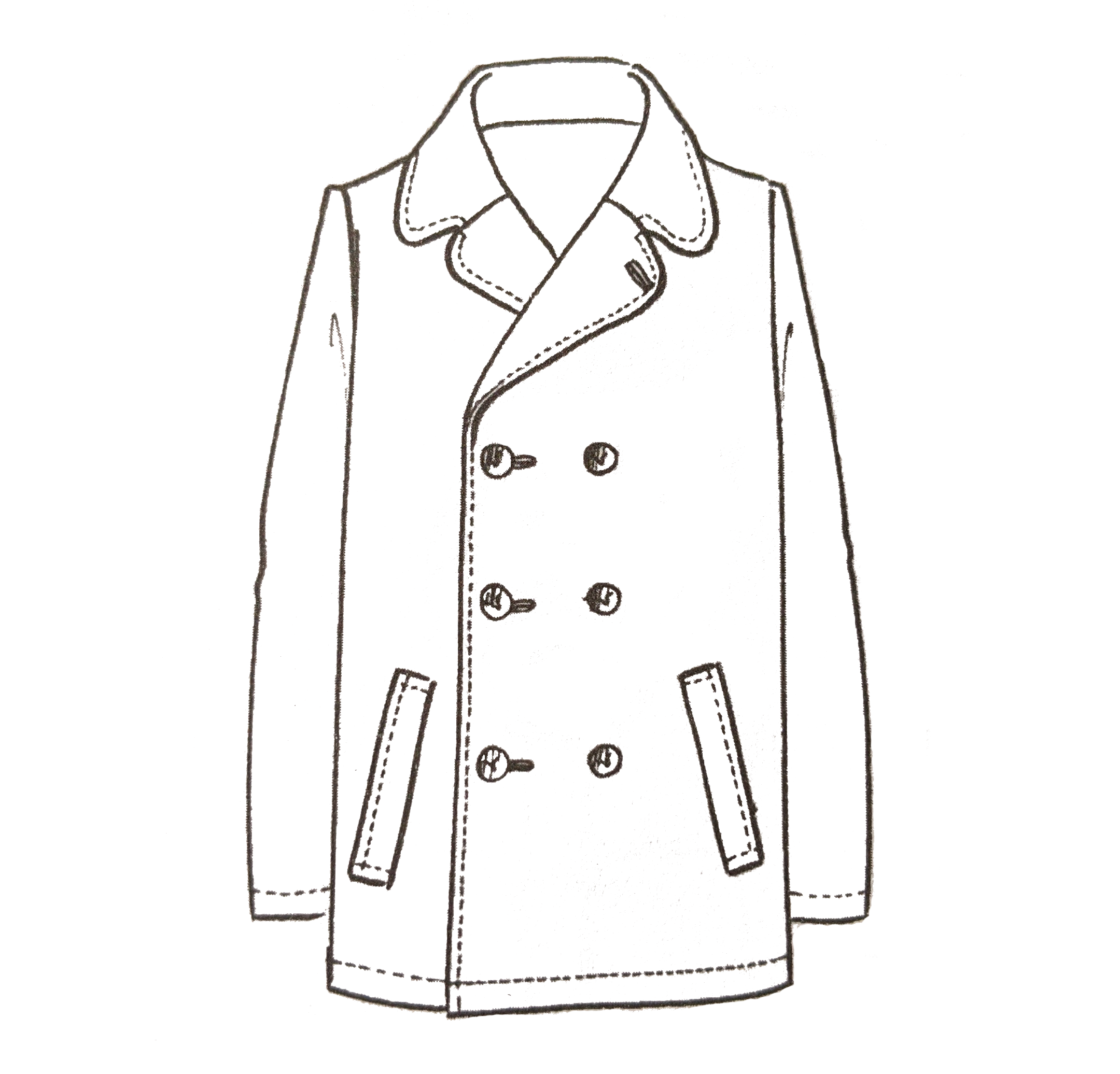
How Can You Recognise an Authentic Naval Peacoat?An authentic naval peacoat can be recognised by several traditional features inherited from its maritime origins.
Traditional peacoats generally have a straight, relatively generous cut. Contemporary versions may offer a more fitted silhouette while retaining the essential features of the original naval coat. Why Is the Peacoat Timeless?The peacoat owes its enduring popularity to its simple construction and balance between practicality and elegance. Originally developed as functional outerwear, it gradually moved from the decks of ships into everyday wardrobes. Today, the Breton wool peacoat remains equally suitable for coastal life and urban wear, with a distinctive silhouette that transcends generations. |
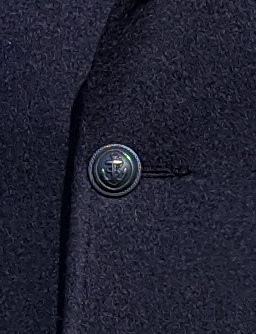
Why Does a Peacoat Have Two Rows of Buttons?
The double-breasted fastening is one of the defining characteristics of a traditional naval peacoat.
The overlapping front panels create an additional layer of fabric across the chest, improving protection against cold weather and wind.
On traditional models with functional buttonholes on both sides, the coat can also be fastened in either direction, depending on the wind.
This practical detail perfectly illustrates the philosophy behind maritime clothing: simple, durable construction designed to meet the needs of sailors working at sea.
This is the essence of the authentic Breton peacoat: a coat whose timeless elegance developed from its practical function.
Historical Sources and References
- French Academy Dictionary: definition and etymology of caban.
- Larousse Dictionary: definition of caban.
- Online Etymology Dictionary: origin of pea jacket.
Discover Our Collection of Breton Peacoats
At L'Atelier du Caban, we offer a selection of maritime coats inspired by this tradition, from French-made Le Glazik peacoats to traditional Breton-style Brandily coats by Grand Largue.
- The Le Glazik Molène peacoat: an authentic men's naval coat, made in France from heavyweight 100% wool.
- The Le Glazik Maxime peacoat: a contemporary urban interpretation of the traditional Breton naval coat.
- The Le Glazik Bréhat peacoat: a women's peacoat made in France from 80% wool and 20% polyamide.
- The Grand Largue Brandily peacoat: a traditional men's naval coat in heavyweight 100% wool at an accessible price.